









Com mais de 15 anos de experiência em máquinas de embalagem, explicamos os prós e os contras das enchedoras de bombas de engrenagens, porque é que fomos cautelosos e o que procurar em 2025. Faça uma escolha informada.
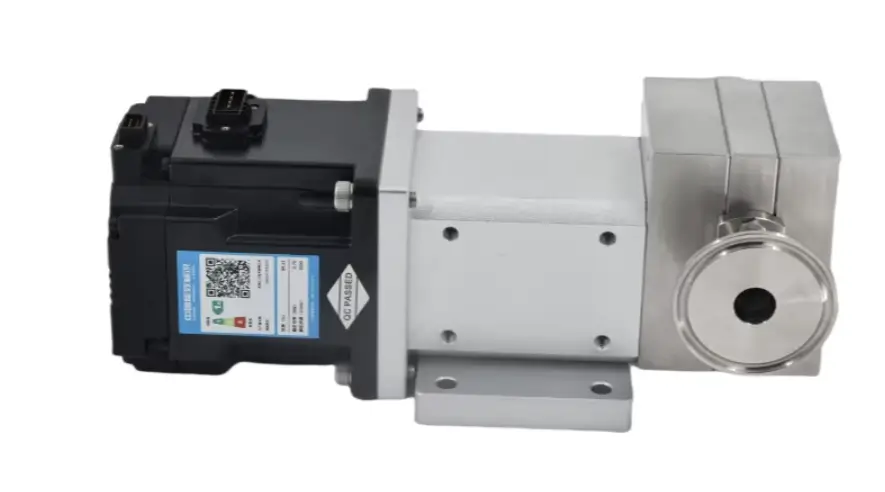
Máquinas de enchimento com bomba de engrenagem: Uma análise honesta de um veterano com 15 anos de experiência em embalagens
Se tem andado a avaliar equipamento de enchimento ultimamente, foi sem dúvida abordado sobre as máquinas de enchimento com bomba de engrenagens. Desde cerca de 2022, têm sido promovidas como a próxima grande novidade na embalagem de líquidos.
Como alguém com mais de 15 anos de experiência na indústria de máquinas de embalagem, o meu telefone tem tocado sem parar com ofertas de fornecedores de bombas de engrenagens. No entanto, apesar deste impulso do mercado, a nossa empresa tomou uma decisão consciente de não recomendar esta tecnologia aos nossos clientes novos ou existentes - até estarmos absolutamente confiantes na sua fiabilidade.
Por que razão evitaríamos uma tecnologia aparentemente popular? As razões são duas: uma barreira técnica surpreendentemente baixa à entrada e questões sérias sem resposta sobre a durabilidade industrial a longo prazo.
Comparação dos principais tipos de máquinas de enchimento: Transbordamento, gravidade, pistão, bomba e muito mais
Ao comprar a solução de enchimento correta, é útil compreender as principais variedades de enchimento de líquidos e produtos - e porque é que determinadas máquinas dominam aplicações específicas. Cada método apresenta pontos fortes (e limitações) adaptados a determinados tipos de produtos e objectivos de embalagem.
Enchimentos de transbordo:
Os enchimentos de transbordo são excelentes para manter todas as garrafas visualmente idênticas, mesmo que haja um pouco mais de líquido a escorrer do topo. Pense em garrafas de vidro de champô, bebidas com gás ou detergentes alinhados na perfeição numa prateleira. Ótimo para líquidos finos e não espumosos em que um nível de enchimento uniforme é importante. Dito isto, se desejar precisão volumétrica ou tiver misturas espumosas, não são ideais.
Enchedores por gravidade:
A própria simplicidade - utilizando a força da gravidade para puxar o produto para os recipientes. São ideais para água, bebidas espirituosas e líquidos semelhantes de baixa viscosidade e sem partículas. São económicos e de baixa manutenção, mas não têm velocidade e têm dificuldades com qualquer coisa mais espessa do que sumo ou vinho.
Enchimentos de pistão:
Entre no rei da versatilidade para produtos mais espessos. Utilizando um pistão para extrair e empurrar o produto, estas enchedoras proporcionam uma precisão fantástica e lidam com tudo, desde mel a salsa - até mesmo pedaços grossos. Se estiver a encher líquidos de alta viscosidade, pegajosos ou com muitas partículas, a tecnologia de pistão é difícil de bater. A contrapartida? Um pouco mais de complexidade e ciclos mais lentos nas linhas de produção em massa.
Bombas de enchimento (engrenagem, peristáltica, rotativa):
As bombas de enchimento são verdadeiros camaleões, lidando com fluidos num amplo espetro de viscosidade. As bombas peristálticas, em particular, brilham com produtos sensíveis ou estéreis - como os produtos farmacêuticos - porque o produto nunca entra em contacto com os componentes da bomba. As bombas de engrenagem (como discutido acima) são ótimas para líquidos limpos e não abrasivos, mas têm suas peculiaridades. Em geral, as bombas de enchimento oferecem uma excelente flexibilidade e um fluxo suave. O desafio é encontrar o tipo certo de bomba para a sua viscosidade específica ou conjunto de ingredientes.
Enchedores a vácuo:
Mais adequadas para garrafas de vidro rígido, as máquinas de enchimento a vácuo garantem que o ar retido no interior é mínimo, tornando-as ideais para bebidas espirituosas, molhos e outros produtos de qualidade superior. O resultado é um enchimento estável nas prateleiras e sem bolhas. No entanto, são geralmente mais lentas e não funcionam bem com embalagens leves ou flexíveis.
Enchimentos de peso:
Se os pesos legais para o comércio ou os enchimentos com custos optimizados são críticos - pense em óleos comestíveis ou químicos industriais - as enchedoras de peso fornecem precisão através de balança e sensor. Ajustam-se automaticamente à densidade do produto, assegurando que cada contentor cheio cumpre as especificações de peso. O investimento inicial é mais elevado, mas o retorno é obtido através da poupança de produtos e da conformidade regulamentar.
Enchedoras de rosca:
Para produtos secos, em pó ou granulados, como farinha, especiarias ou café, as enchedoras de rosca sem-fim são o padrão da indústria. Um mecanismo de parafuso rotativo mede doses precisas. São fiáveis para pós de fluxo livre e alguns pós coesos, embora possam ser menos eficientes para enchimentos muito pesados.
Enchedores de copos volumétricos:
Simples e económicas, as máquinas de enchimento de copos utilizam recipientes pré-medidos para porcionar o produto, o que as torna escolhas sólidas para arroz, doces, grãos e outros sólidos consistentes e de fluxo livre. São rápidas, mas não tão precisas para produtos inconsistentes ou pegajosos.
Enchedoras vibratórias:
Os sistemas vibratórios utilizam uma agitação suave para persuadir os produtos frágeis ou irregulares - tais como snacks, misturas de vários componentes ou frutos secos - para dentro dos recipientes, muitas vezes em conjunto com uma balança. O que lhes falta em velocidade, compensam em delicadeza, reduzindo a quebra e mantendo as misturas intactas.
Cada tipo de máquina de enchimento oferece uma mistura única de velocidade, precisão e adequação às diferentes caraterísticas do produto. Selecionar a máquina certa significa pesar a viscosidade do seu produto, as partículas, a precisão pretendida, a velocidade e, claro, a fiabilidade a longo prazo.
As duas principais razões para a nossa hesitação em relação aos enchedores de bombas de engrenagens
1. A barreira técnica de entrada surpreendentemente baixa
Do ponto de vista da engenharia, a construção de uma bomba de enchimento de engrenagens básica não é difícil. A tecnologia de base é simples: uma tremonha, um conjunto de bomba de engrenagens e um motor. Esta baixa barreira à entrada é precisamente a razão pela qual tantas fábricas se apressaram a oferecer estas máquinas aos seus utilizadores. Trata-se de um produto que pode ser montado rapidamente com componentes prontos a utilizar.
No entanto, na nossa empresa, acreditamos em fornecer equipamento que resolva problemas durante uma década ou mais, e não apenas durante um ano. Não nos limitamos a seguir a última tendência. A nossa responsabilidade é para com os resultados finais dos nossos clientes e a fiabilidade da sua linha de produção. Recomendar uma máquina simplesmente porque é ’fácil de fabricar“ vai contra a nossa filosofia principal de fornecendo soluções comprovadas e orientadas para o valor.
2. Questões não resolvidas sobre a conceção e a longevidade dos materiais
O maior problema reside na própria tecnologia da bomba de engrenagens aplicada às embalagens industriais.
- Ciência dos materiais: As caraterísticas de desgaste a longo prazo das engrenagens - mesmo quando feitas de cerâmica ou plástico avançados - sob uso industrial constante ainda não estão totalmente comprovadas para todos os tipos de fluidos. A abrasão e o desgaste destroem diretamente a precisão de medição.
- Gestão do calor: O funcionamento contínuo pode provocar a acumulação de calor, que altera a viscosidade do fluido e, consequentemente, o volume de enchimento, criando inconsistências. Pode também enfraquecer o acoplamento magnético.
- Condições do mundo real: Os ambientes industriais são difíceis. Qual será o desempenho destas bombas após 10.000 horas de funcionamento com vários solventes, produtos de limpeza ácidos ou produtos ligeiramente abrasivos? As bombas de pistão têm um historial de décadas neste domínio. As bombas de engrenagem não.
Não podemos, em boa consciência, recomendar uma máquina em que a vida útil do componente principal é um ponto de interrogação, o que pode levar a uma elevada custos de substituição e inatividade não planeada para os nossos clientes.
Olhando para o futuro: Um caminho responsável para o futuro em 2025
Significa isto que a tecnologia das bombas de engrenagens está completamente descartada? De modo algum.
As bombas de engrenagens têm vantagens distintas: são excelentes para produtos limpos e de baixa viscosidade, oferta funcionamento sem fugas para fluidos valiosos, e são incrivelmente simples de utilizar.
A nossa posição não é de rejeição, mas de diligência responsável. Temos pesquisado e testado ativamente unidades de bombas de engrenagens de vários fornecedores, procurando um produto que não funcione apenas no primeiro dia, mas que seja concebido para durar anos sob verdadeiras exigências de embalagem industrial.
Estamos à espera de uma bomba de engrenagens que seja construída com materiais e um design especificamente validado para trabalhos de embalagem de longa duração e de ciclo elevado - e não apenas reaproveitada de outra indústria.
Uma vez cumprida essa norma, teremos todo o gosto em oferecê-la como solução aos nossos clientes, dando-lhes uma escolha informada com base nas suas necessidades específicas de produto e precisão.
Para já, a nossa recomendação mantém-se: Confie na precisão e durabilidade comprovadas das bombas de enchimento de pistões para aplicações críticas. Se estiver a considerar um enchedor de bomba de engrenagens, faça perguntas difíceis ao fabricante sobre a vida útil esperada, a garantia do conjunto da bomba e os seus dados específicos sobre o desempenho com o seu produto exato.
Tem dúvidas sobre como escolher a máquina de enchimento correta para a sua linha de produção? Contato Npack para uma consulta baseada em 15 anos de experiência e conselhos imparciais.