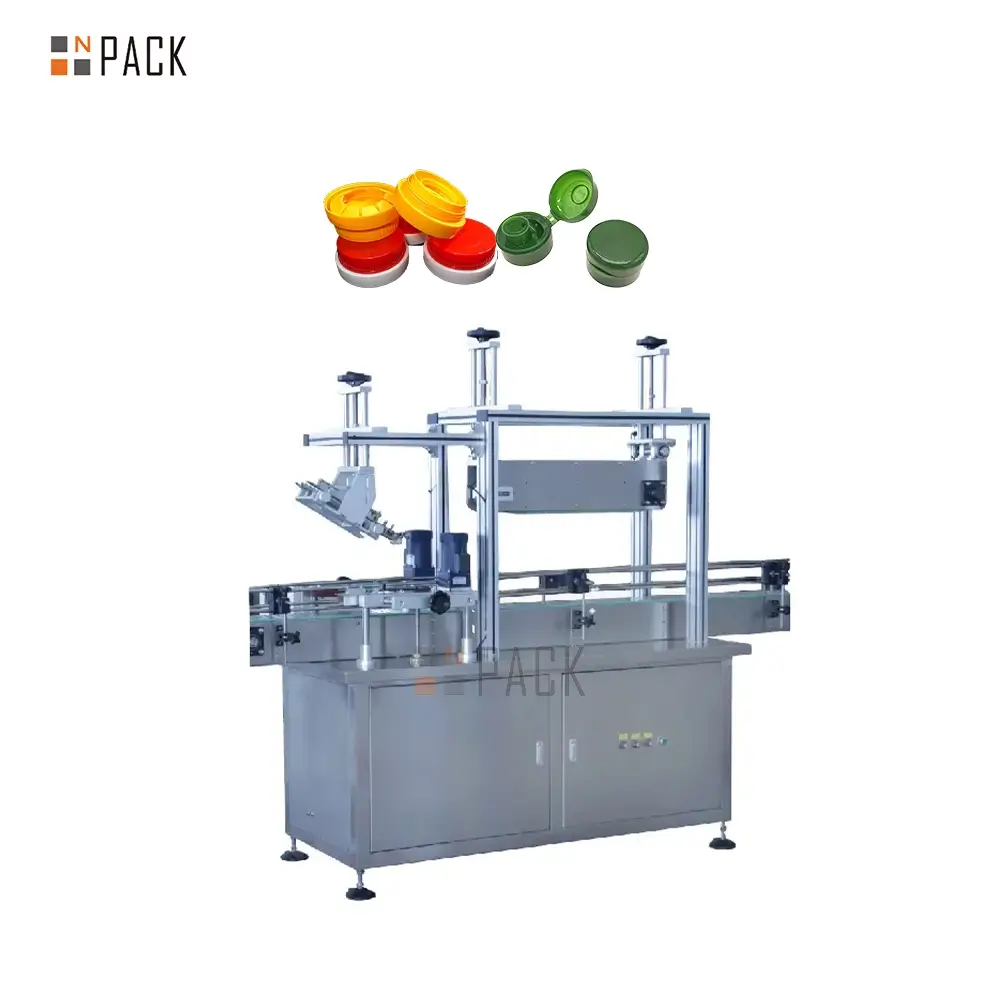
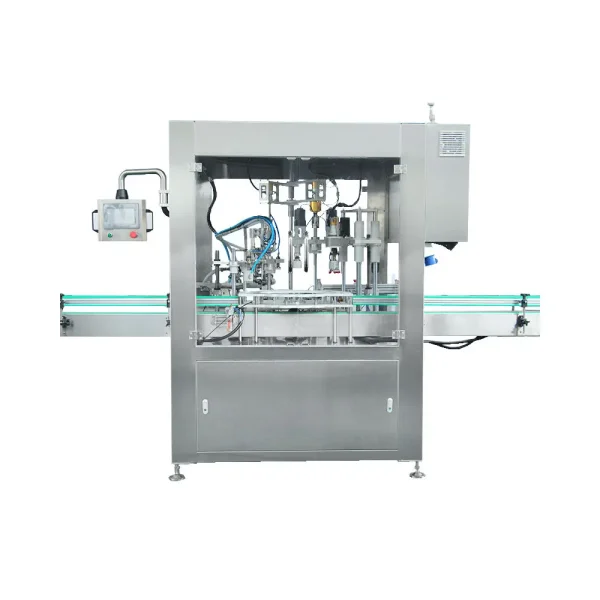
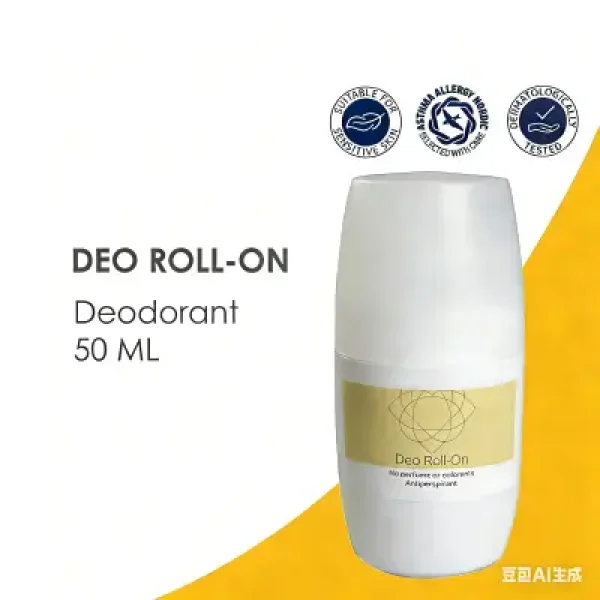
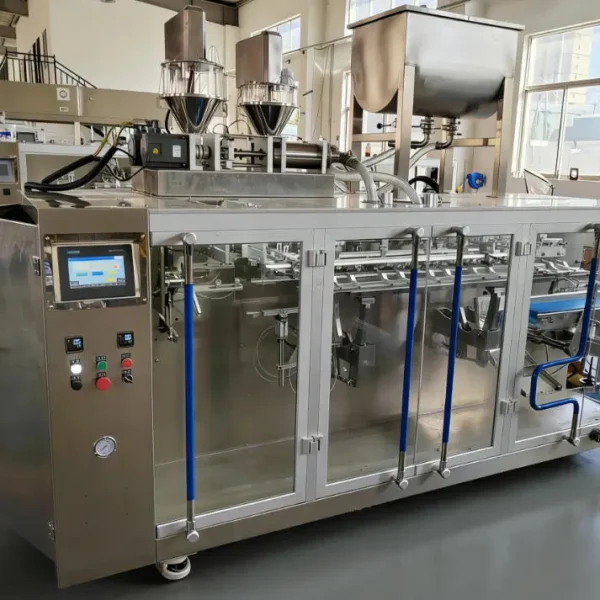
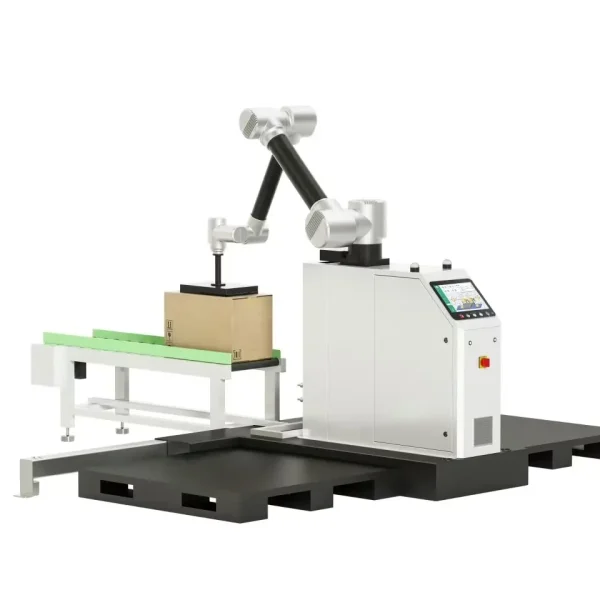
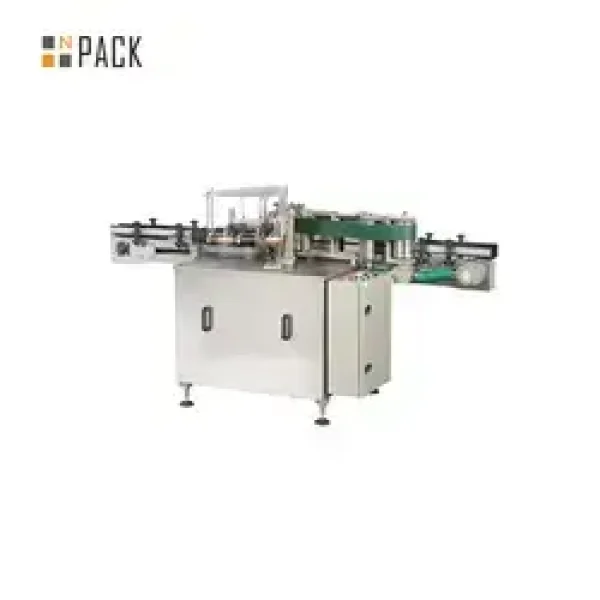
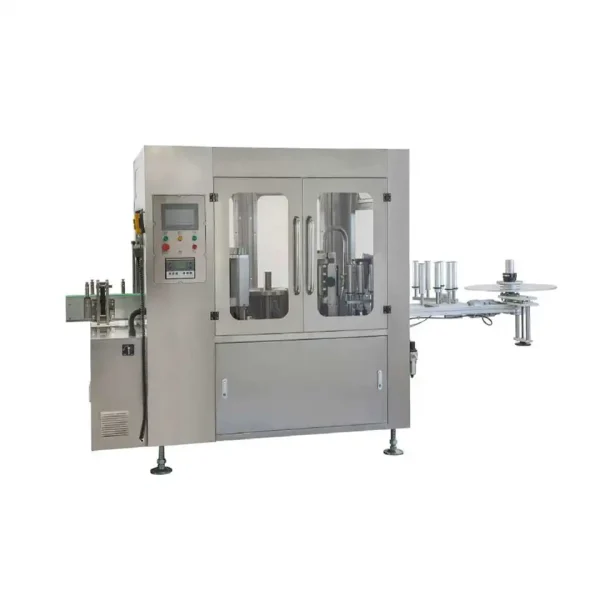
The press capping machine is capable of efficiently sealing both small sauce bottles and large oil containers. This machine delivers fast results without sacrificing quality, especially in terms of production speed. Its high qualification rate ensures that each capped bottle meets the required standards consistently. Moreover, the application of high pressure during the capping process guarantees secure sealing and prevents any leakage issues. The press capping machine has extensive applications in various industries such as food processing, beverage production, cosmetics manufacturing, and chemical packaging. In the food industry specifically, it proves highly suitable for bottling products like sauces, vinegar varieties, and vegetable oils, among others.
They’re ideal for production lines handling a wide range of bottle sizes and shapes, as the machine can be quickly adjusted to fit new formats. These machines are commonly found in facilities needing fast changeovers and are often selected for their ease of integration into existing bottling lines.
What Is a Snap Cap or Snap Lid?
A snap cap, sometimes called a snap lid, is a type of closure designed to fit securely onto a container using simple downward pressure, rather than a twisting or torquing action. Unlike screw caps that require you to rotate the lid to engage threads, a snap cap simply “snaps” into place, locking onto the rim or neck of the bottle or jar.
You’ll often find snap caps and snap-on lids in everyday products like cleaning wipes (think Clorox or Lysol canisters), food tubs, and personal care items such as flip-top shampoo bottles. These closures can be either threaded or unthreaded underneath, but what sets them apart is that there’s no need for any rotation to get a tight seal.
The main advantage of snap caps is quick, tool-free application—an ideal feature on high-speed packaging lines or for products meant to be convenient and easy to reseal. This makes them especially popular in sectors like food and beverage, household cleaning, and cosmetics, where user-friendly packaging is a must.
Whether securing a fresh batch of cookies or sealing makeup remover pads, snap caps are all about speed, simplicity, and reliable resealing.